

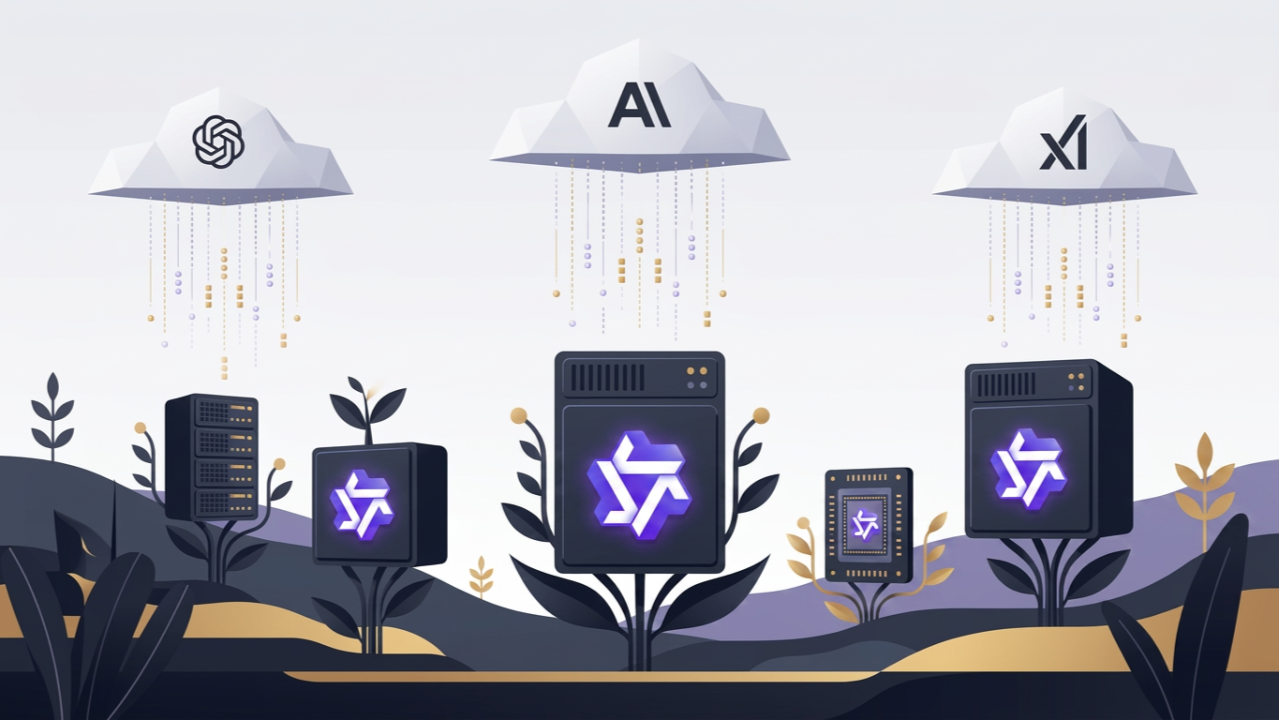
Un'intelligenza artificiale vicina alle capacità dei modelli di frontiera oggi può funzionare su una GPU acquistabile sul mercato. E, per quanto mi riguarda, questa è la notizia più interessante emersa nelle ultime settimane, ricche di annunci nel mondo dell'AI.
La competizione tra i principali laboratori di ricerca continua ad alzare l'asticella di ciò che l'intelligenza artificiale è in grado di fare, ed è senza dubbio entusiasmante. Tuttavia, i rilasci che continuano a colpirmi maggiormente sono quelli dei modelli open weight, in particolare quelli sviluppati dal laboratorio Qwen di Alibaba.
Nel mio lavoro di consulente e software engineer, ho avuto l'opportunità di confrontarmi con numerosi clienti e di mostrare come l'AI eseguita in locale possa rappresentare una valida alternativa ai grandi provider cloud a cui sono abituati.
Solo la scorsa settimana Alibaba Qwen ha rilasciato due importanti novità: prima il modello Qwen 3.8 27B e, pochi giorni dopo, Qwen 3.8 Flash Next. Si tratta di modelli particolarmente interessanti per diversi motivi:
- Possono essere eseguiti su infrastrutture hardware di piccole e medie dimensioni.
- Sono modelli versatili, dotati di capacità multimodali (visione) e con ottimi risultati nei benchmark relativi ai sistemi agentici.
- Offrono prestazioni elevate in numerosi casi d'uso, dalla programmazione alla scrittura, dall'analisi documentale all'OCR e molto altro.
L'aspetto che più mi sorprende è che, secondo gli indici di Artificial Analysis, questi modelli raggiungono livelli prestazionali paragonabili a quelli dei modelli di frontiera di circa sei-otto mesi fa. In altre parole, ciò che fino a pochi mesi fa rappresentava lo stato dell'arte dell'intelligenza artificiale è oggi disponibile sotto forma di modello open weight, eseguibile localmente dalla maggior parte delle aziende e con dimensioni significativamente inferiori rispetto alle alternative di fascia più alta.

Osservando i dati pubblicati da Artificial Analysis (29 agosto 2026), emerge che Qwen 3.8 27B (dove 27B indica 27 miliardi di parametri, una dimensione relativamente contenuta per gli standard attuali) si colloca nella stessa fascia di qualità dei modelli Gemini di Google. Il più recente Qwen 3.8 Flash Next, invece, un modello Mixture-of-Experts da 120 miliardi di parametri con soli 6 miliardi attivi per token e un layer n-gram da 51 miliardi, compete con modelli di frontiera come le ultime versioni di GPT e Claude Opus.
Perché è importante un modello eseguito in locale?
I benchmark rappresentano soltanto un'indicazione del livello di intelligenza di un modello. Le prestazioni nel mondo reale possono raccontare una storia diversa. Tuttavia, la mia esperienza con le precedenti generazioni di Qwen ha confermato in larga misura quanto suggerito dai benchmark, e i primi test effettuati sui nuovi modelli sembrano andare nella stessa direzione.
I modelli Qwen 3.8 si dimostrano eccellenti strumenti di lavoro per le attività quotidiane: elaborazione di documenti, sistemi RAG e agentici, sintesi e traduzione di contenuti, revisione del codice e molto altro.
Significa che un modello locale può sostituire completamente un abbonamento ai servizi cloud? Probabilmente no. Tuttavia può certamente affiancare i modelli di frontiera in molte attività, contribuendo a ridurre costi e dipendenza dall'infrastruttura cloud.
Oltre agli aspetti economici e prestazionali, l'AI locale offre ulteriori vantaggi:
- Sovranità del dato.
- Maggiore controllo e governance.
- Costi più prevedibili.
- Possibilità di personalizzazione.
- Minore latenza.
- Maggiore controllo operativo.
In alcuni contesti, inoltre, le aziende non desiderano condividere dati con soggetti esterni oppure sono soggette a vincoli normativi che lo impediscono. Anche in questi casi i modelli eseguiti in locale rappresentano una soluzione particolarmente interessante.
Cosa serve per farli funzionare localmente?
La risposta breve è: molto meno di quanto si possa immaginare, con prestazioni che possono persino superare quelle offerte da alcuni servizi cloud.
Nei miei test, effettuati su un sistema dotato di una sola GPU, processore AMD Threadripper a 24 core, 128 GB di RAM e una NVIDIA RTX PRO 6000, Qwen 3.8 27B con quantizzazione FP8 ha raggiunto tra i 30 e i 50 token al secondo, mantenendo queste prestazioni anche con 16 richieste concorrenti.
Qwen 3.8 Flash Next, con quantizzazione NVFP4, ha invece registrato prestazioni comprese tra 150 e 180 token al secondo, restando sopra i 110 token al secondo anche con 16 richieste simultanee. In pratica, oltre un paragrafo generato al secondo, più rapidamente di quanto una persona possa leggerlo.
Sebbene il cloud mantenga il vantaggio di poter scalare su infrastrutture molto più ampie, questi risultati dimostrano che un livello di intelligenza vicino a quello dei modelli di frontiera può oggi essere eseguito in locale a velocità estremamente competitive.
Hardware necessario
Qwen 3.8 27B
- Può funzionare su una singola GPU consumer da 24 GB (RTX 4090 o RTX 5090) utilizzando la quantizzazione.
- Per carichi concorrenti e per sfruttare l'intero contesto da 260.000 token, una GPU da 32-40 GB risulta più confortevole.
- Anche schede professionali della generazione precedente, come la NVIDIA L40S, rappresentano una valida opzione.
Qwen 3.8 Flash Next
- Richiede risorse superiori.
- Una RTX PRO 6000 con 96 GB di VRAM e 128 GB di RAM di sistema per ospitare i layer esternalizzati.
- In compenso offre prestazioni di livello nettamente superiore.
Uno dei motivi per cui le nuove GPU basate su architettura Blackwell (RTX 5090, RTX PRO 4000, 5000 e 6000) mostrano un vantaggio significativo è il supporto nativo all'accelerazione hardware NVFP4. L'unione tra questa modalità di quantizzazione e l'elevata banda di memoria consente di raggiungere i livelli di throughput osservati nei test.
Perché Flash Next è così veloce?
La risposta è nella sua architettura.
Qwen 3.8 27B è un modello "dense": per generare ogni token vengono utilizzati tutti i 27 miliardi di parametri.
Flash Next, invece, utilizza un'architettura Mixture-of-Experts (MoE). Sebbene il modello contenga complessivamente oltre 120 miliardi di parametri, per ogni token ne attiva soltanto 6 miliardi, riducendo drasticamente il carico computazionale. Inoltre, integra ulteriori 51 miliardi di parametri dedicati ai layer n-gram, progettati per migliorare la correlazione tra gruppi di token e anticipare alcune delle innovazioni previste per la futura generazione Qwen 4.0.
Conclusioni
Alla luce dei risultati ottenuti nei test più recenti, sto già aggiornando i miei ambienti AI locali per beneficiare dei miglioramenti introdotti in termini di velocità e qualità.
Ribadisco quindi una convinzione che sostengo da tempo: i modelli Qwen dovrebbero essere presi seriamente in considerazione dalle aziende che desiderano sperimentare soluzioni di AI e workflow agentici senza investimenti eccessivi e senza dover necessariamente affidare dati sensibili a provider cloud esterni.
Anche quando i grandi fornitori garantiscono elevati standard contrattuali di privacy e sicurezza, mantenere le informazioni critiche all'interno del perimetro aziendale elimina un'intera categoria di rischi legati all'esposizione verso terze parti.
Va inoltre riconosciuto il merito del team Qwen di Alibaba e degli altri laboratori che stanno investendo risorse significative nello sviluppo di modelli avanzati distribuiti con licenze aperte e permissive. Il loro lavoro sta rapidamente ridefinendo ciò che è concretamente possibile fare al di fuori delle grandi piattaforme cloud.
La vera domanda, oggi, potrebbe non essere più se i modelli locali riusciranno a sostituire completamente quelli di frontiera. La domanda è piuttosto: quante attività aziendali necessitano davvero dell'intelligenza dei modelli più avanzati?
Se la maggior parte dei carichi di lavoro quotidiani può essere eseguita localmente, con costi prevedibili, prestazioni elevate e dati che restano all'interno dell'organizzazione, i modelli cloud potrebbero progressivamente trasformarsi in una risorsa da utilizzare solo per i casi più complessi, anziché rappresentare la scelta predefinita.
La crescente disponibilità di modelli open weight sempre più potenti probabilmente non farà scomparire il cloud, ma potrebbe riportare una parte sorprendentemente ampia dell'intelligenza artificiale "a terra", all'interno delle aziende stesse.
Autore: Fabio Marini, IT Consultant and Senior Solution Architect at Impresoft GN Techonomy